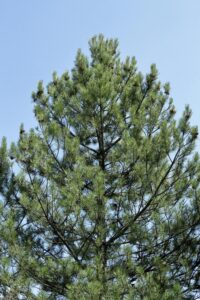

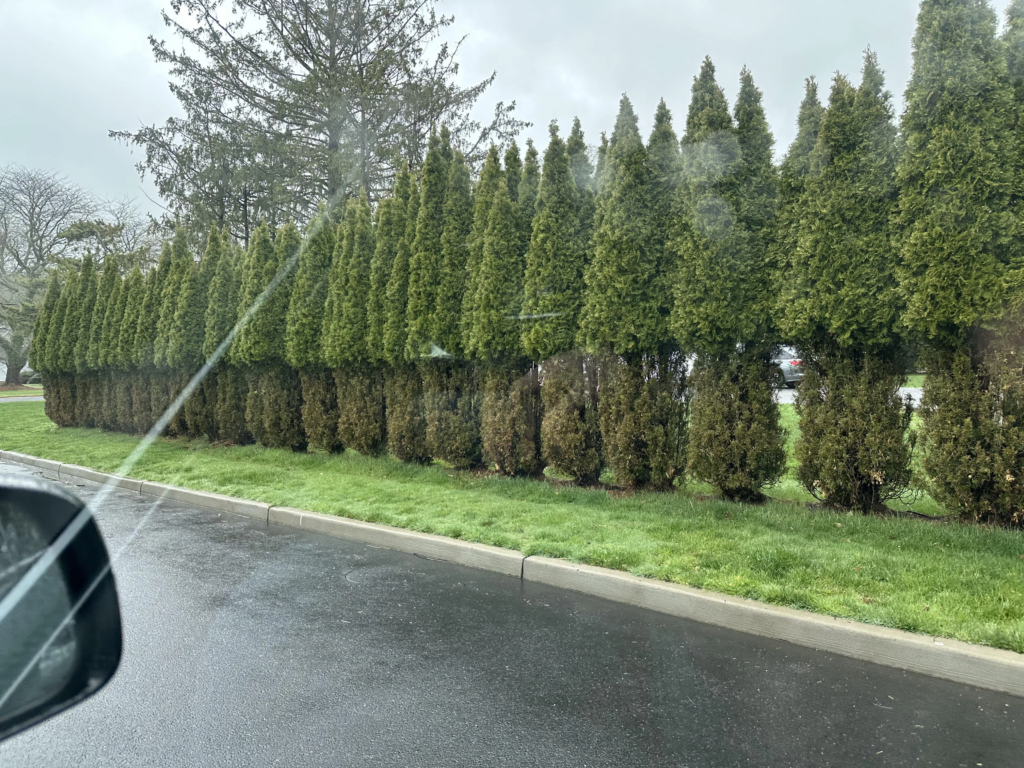
Standing at 10-30 feet tall, a bright green conifer, the northern white cedar tree! The latin name for this tree is thuja occidentalis. Thuja meaning coming from the evergreen family, and occidentalis means western, meaning it comes from the “western” world. This tree also goes by another name as well, arborvitae, which was a name given to it by french settlers who relied on it in tough weather for shelter. That, fun fact, deer find attractive, sometimes using the bark as a backscratcher, or sometimes just taking a browse on. They seem so ubiquitous, yet how do we make sure we don’t forget about these guys?
- Leaves
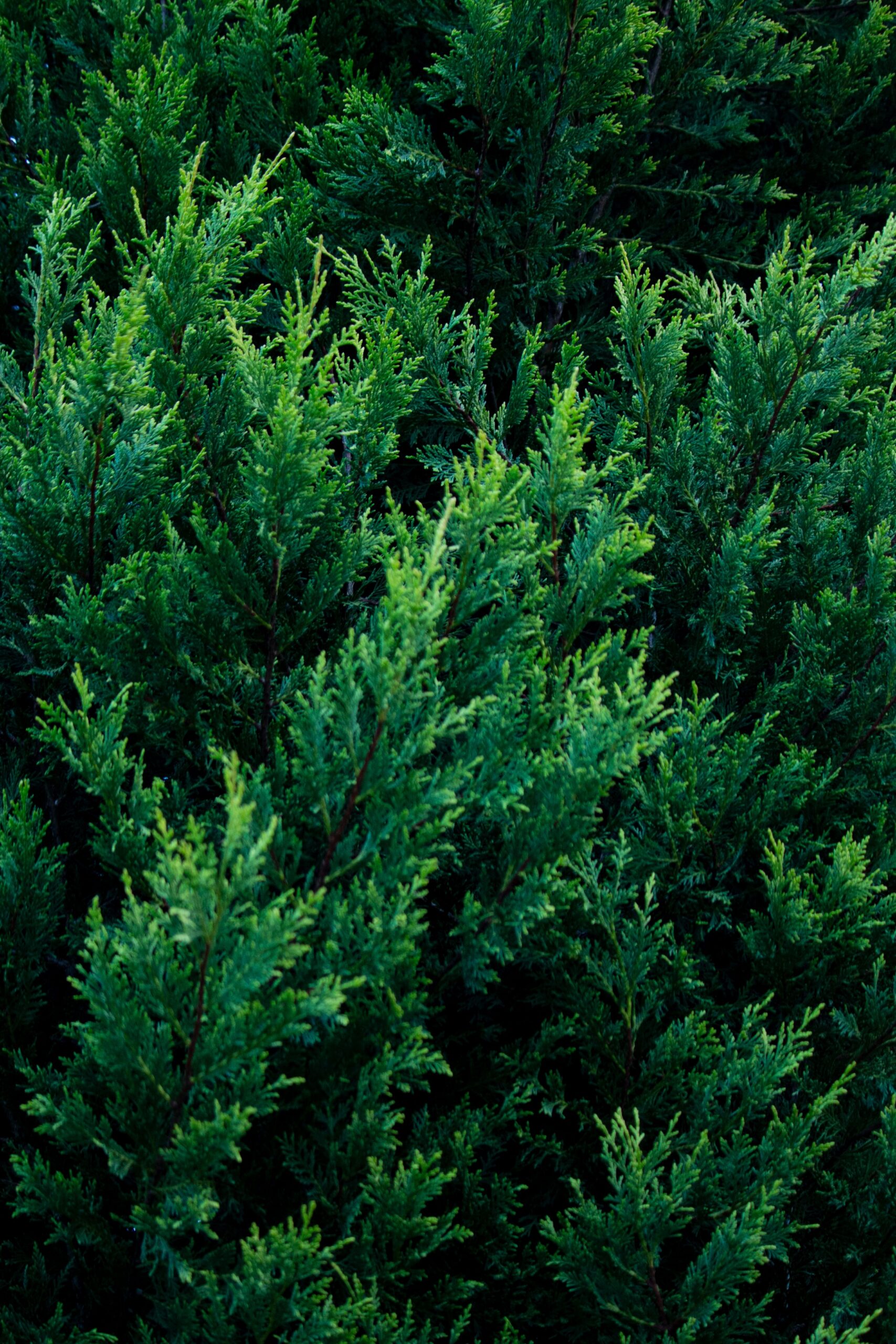
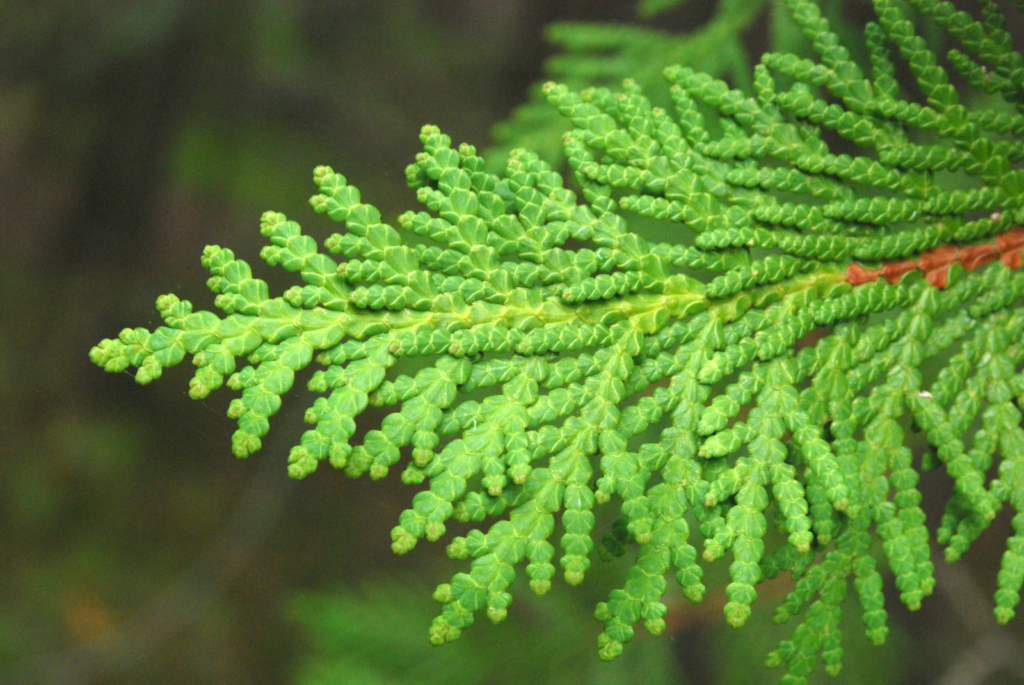
Arborvitae, northern white cedar trees have an interesting structure to their leaves. If you look at the patterns the leaves have it’s almost as if they spread out like tiny rows of cabbage. The small little cabbages are called scales, and you can remember them as cabbages, but best to call them scales around ISA certified arborists (or do, that’s totally up to you). These leaves/foliage if you get the chance to feel them are actually quite soft.
2. Bark
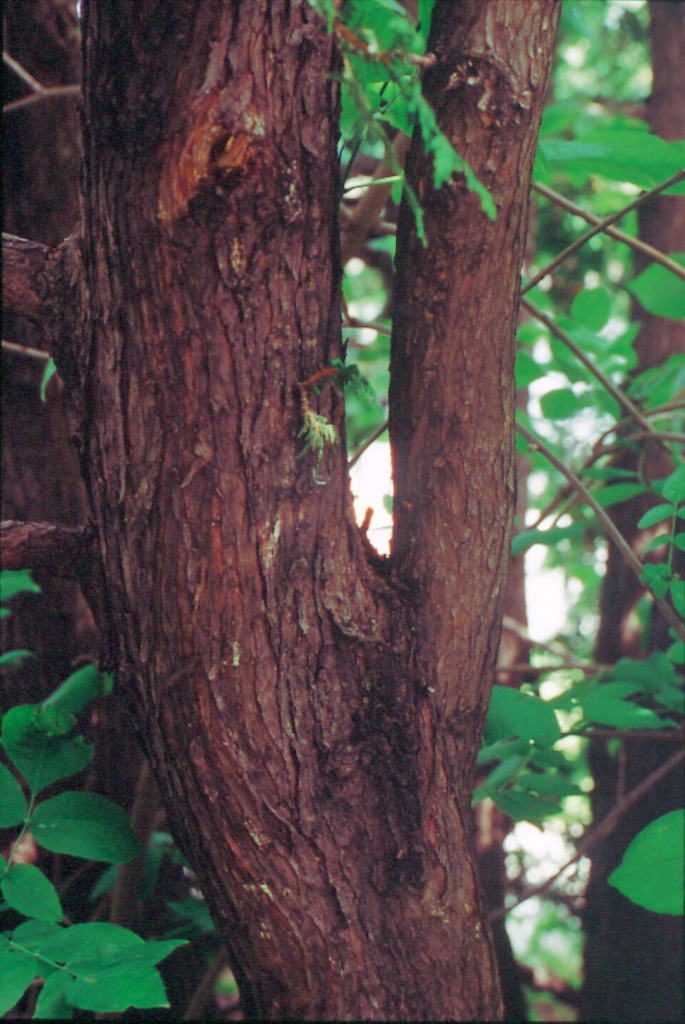
As your local expert arborists that mainly work in the Petoskey and Harbor Springs, the bark on the tree has a brown and flowy pattern. The bark flakes at around its trunk. Settlers would often use the bark and the wood cordage, tinder and sometimes roofing!
3. Pine cones
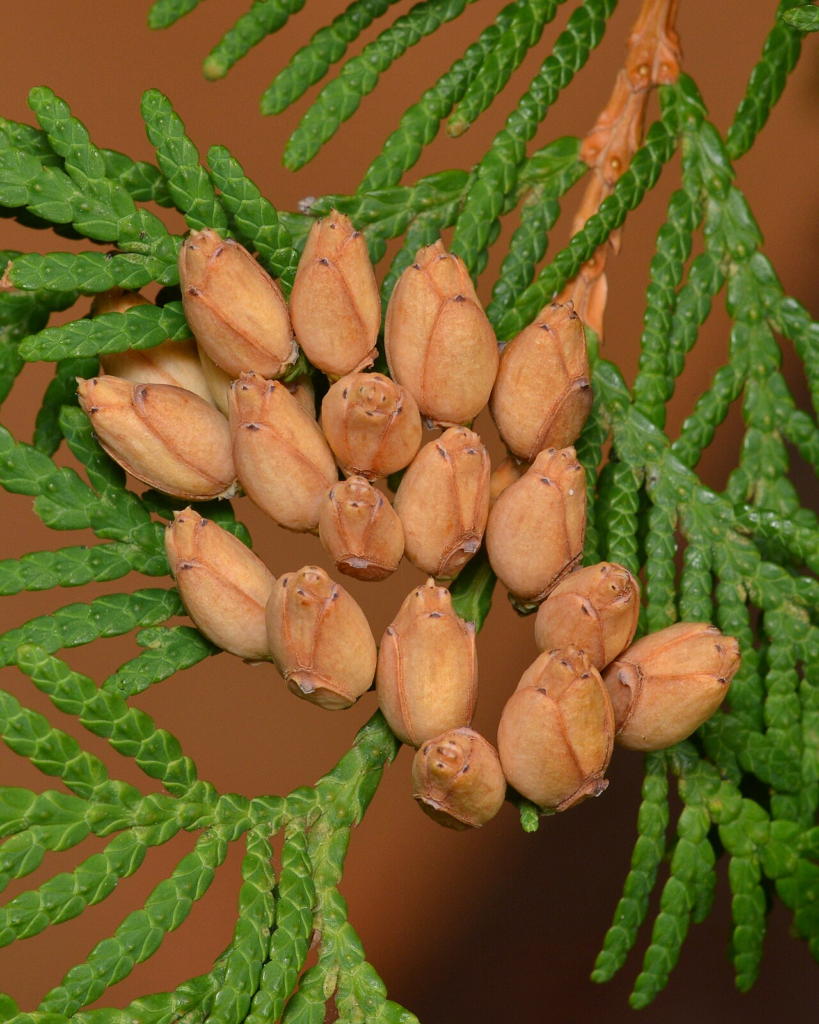
The Arborvitae’s pine cones are also very distinct. These cones look almost like buds right before they blossom. These female cones of the Arborvitae open up, and the wind blows them out to scatter their seeds all along the ground. Or sometimes an animal like a deer friend often eats them and poops them out somewhere where they can grow.
Thanks for reading! Feel free to read about our other trees we have identified and go check out your yards to see if you have any Arborvitae in your yard.
Are you interested in getting some trees planted? Or are you worried the arborvitae might be too big for its own good? Give us a call!